
Algorithmic Oversight
When algorithms decide what we see, who decides what is fair?

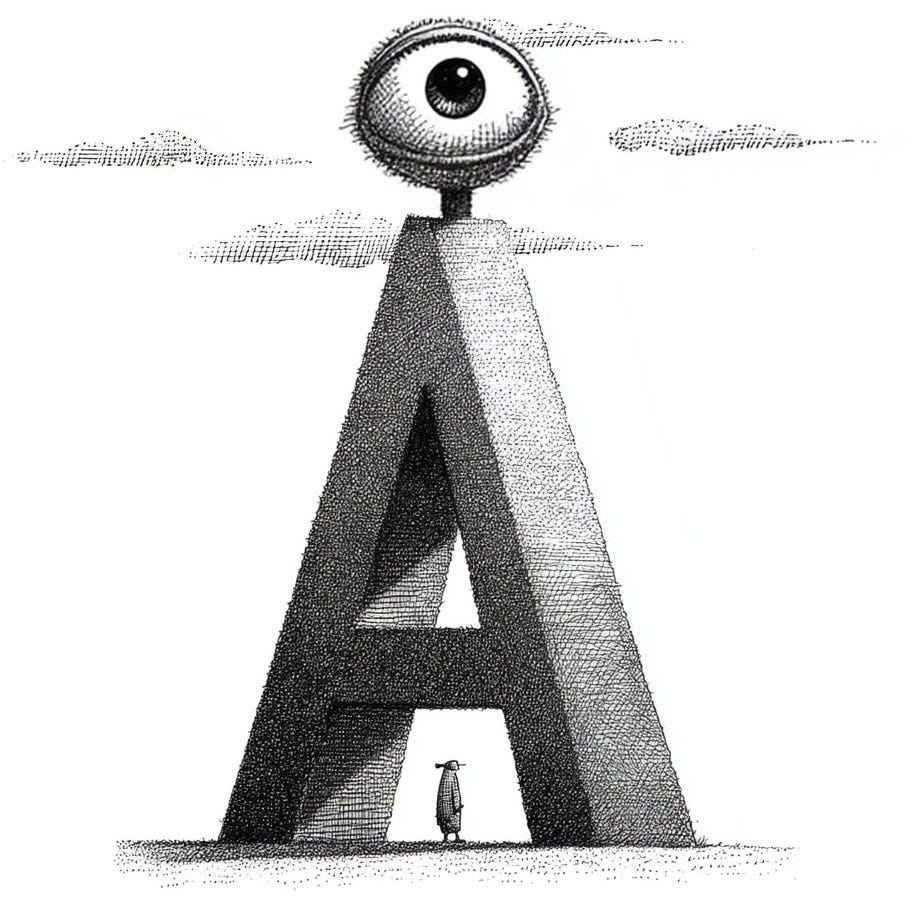
In his latest article, Barry Appleton argues that Canada must confront a growing crisis of algorithmic governance. Our digital reality—what news reaches us, what opinions circulate, what voices are amplified—is increasingly determined by a handful of global platforms whose operations remain opaque, unaccountable, and largely unregulated.
Appleton points out that this is not just a matter of consumer protection or data privacy. It is a constitutional issue. When platforms act as arbiters of speech and access to information, they effectively perform a public function—without public oversight.
But what happens when a country’s legal framework is built for human decision-makers, and decisions are now being made by code?
Courts can subpoena a minister, cross-examine a witness, or compel disclosure—but they cannot cross-examine an algorithm. Yet algorithms shape perception itself. They decide which facts gain traction, which opinions appear balanced, and which truths are quietly buried beneath an ocean of noise.
True oversight, then, requires more than transparency; it demands comprehensibility. We must be able to understand not just what algorithms are doing, but why—and to ensure that their reasoning aligns with our democratic values.
As Appleton writes,
“Algorithmic systems have replaced the editorial judgments of humans, but not their responsibilities.”
The challenge is to bring law, technology, and ethics back into conversation—to make sure those responsibilities are not lost in translation between code and conscience.
The TechCred accreditation program exists for precisely this reason: to prepare lawyers, arbitrators, and policymakers for a world where code itself can be a decision-maker. Algorithmic oversight is not only a regulatory challenge—it is a matter of justice, transparency, and democracy.
Further Reading
Read Barry’s full article: Algorithmic Oversight: Canada Must Confront Platforms That Control What We See
(Originally published in National Post, October 7, 2025)
.
Written together with AIs